
Legal gray areas in cryptocurrency gambling
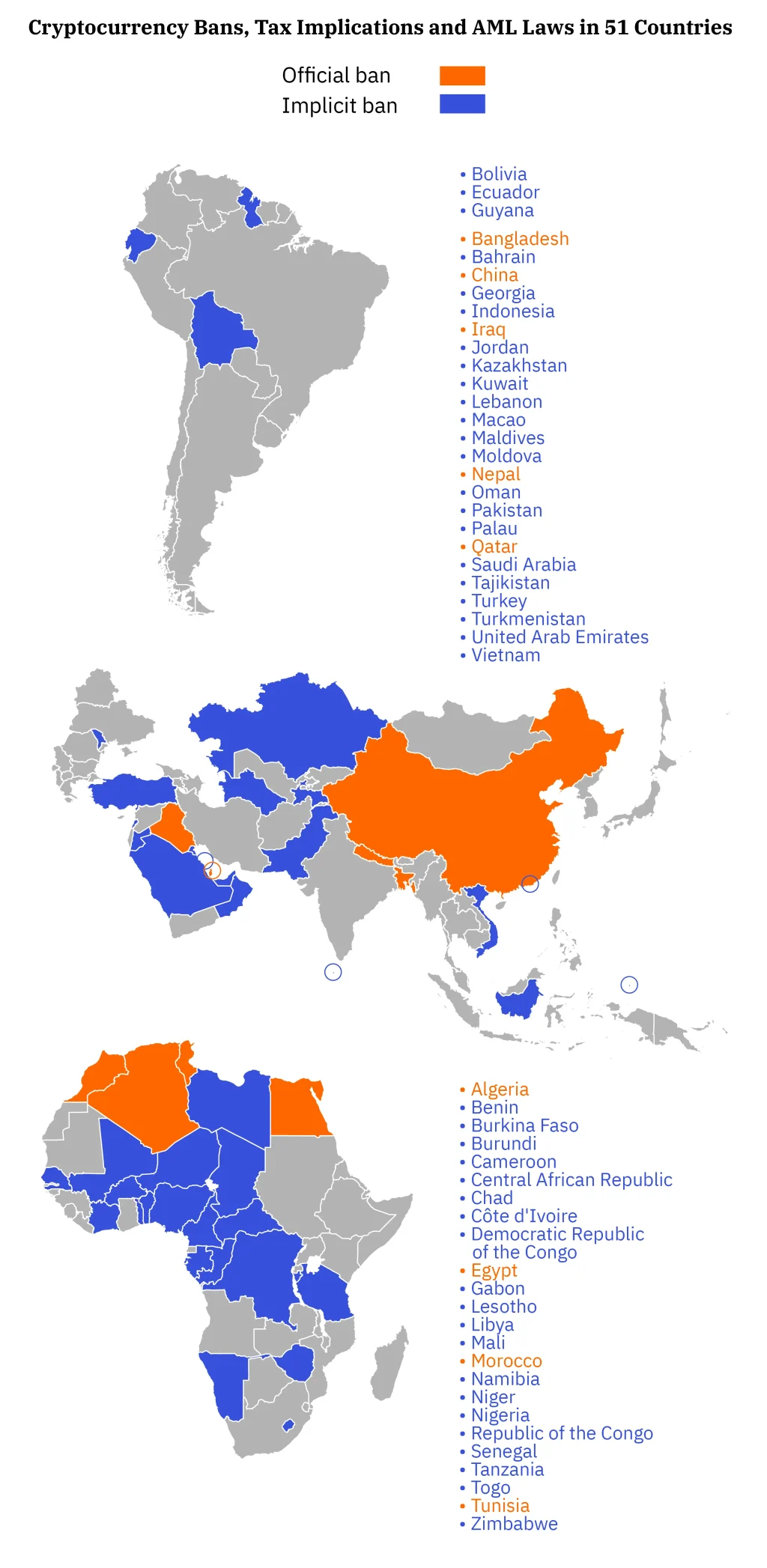
Let’s be real for a second. Cryptocurrency gambling feels like the Wild West. You’ve got decentralized casinos, anonymous wallets, and winnings that can appear in your account before you even blink. But here’s the kicker: the law hasn’t caught up. Not even close. That’s where the gray areas live — and honestly, they’re bigger than you think.
I’m not here to scare you. I’m here to walk you through the messy, confusing, and sometimes contradictory legal landscape around crypto gambling. Because if you’re playing (or building) in this space, you need to know where the lines blur — and where they might snap.
What makes crypto gambling so legally fuzzy?
Well, first off, it’s not just one thing. It’s a collision of technologies, jurisdictions, and old-school gambling laws that were written before Bitcoin was even a glimmer in Satoshi’s eye. You’ve got three main ingredients stirring the pot:
- Decentralization — No central server? No single country’s laws apply cleanly.
- Anonymity — Players can deposit and withdraw without ever showing ID.
- Cross-border nature — A player in Japan bets on a site hosted in Malta, using a wallet from the Cayman Islands. Good luck enforcing that.
And then there’s the question: is crypto even “money” in the legal sense? Some countries say yes. Others say it’s property. A few say it’s a commodity. That distinction matters when you’re talking about gambling winnings, taxes, and licensing.
The “not quite illegal” loophole
Here’s a weird one. In some jurisdictions, crypto gambling isn’t explicitly banned — but it’s not explicitly allowed either. That’s the sweet spot for many offshore operators. They set up shop in places like Curacao or the Isle of Man, where crypto-friendly licenses exist but enforcement is… let’s say relaxed. Players from restricted countries can still access these sites. And because the transactions happen on the blockchain, there’s no paper trail for local authorities to follow.
That doesn’t mean it’s risk-free. It just means the risk is shifted — from the casino to the player.
Taxation: the silent minefield
You know what’s less fun than losing a bet? Figuring out how to report your winnings. In most countries, gambling income is taxable. But with crypto, it gets sticky. If you win 1 ETH today, and that ETH doubles in value next month, do you pay capital gains on the appreciation? Or is it just gambling income?
The IRS in the U.S. says: both. Yeah, you read that right. You might owe taxes on the fair market value of the crypto when you won it and again when you sell it. It’s a double whammy that catches a lot of casual gamblers off guard.
Other countries, like Germany, treat crypto held for over a year as tax-free. But if you’re gambling with it? Different rules apply. The gray area here is that many gamblers simply don’t report their crypto gambling income — and tax authorities are only starting to figure out how to track it.
Provably fair vs. provably legal
One of the coolest things about crypto gambling is “provably fair” algorithms. You can verify every bet’s outcome on-chain. That’s transparency traditional casinos can’t touch. But here’s the rub: being provably fair doesn’t make it provably legal.
A casino can be mathematically honest and still violate the law in 30 different countries. The tech is elegant. The legal framework? Not so much. In fact, some regulators argue that provably fair systems actually make it harder to enforce age restrictions or anti-money laundering (AML) rules — because the whole point is that no one’s watching.
AML and KYC: the friction point
Most legitimate crypto casinos now require some form of KYC (Know Your Customer). But a huge number don’t. And that’s where the gray area gets darker. If a casino operates without KYC, it’s technically facilitating anonymous gambling — which might be legal in its home jurisdiction but illegal for players in, say, the UK or Australia.
Players love the anonymity. Regulators hate it. And the casinos? They’re caught in the middle, often relying on the fact that enforcement is slow and expensive.
Smart contracts and the “code is law” problem
Decentralized gambling platforms — like those built on Ethereum or Solana — take things a step further. They’re fully automated. No human operator. No customer support. Just code. And the code says: if you win, you get paid. Period.
But what happens when a player in a restricted country uses a VPN to place a bet? The smart contract doesn’t check passports. It doesn’t care about local laws. It just executes. That’s the whole point — but it’s also the whole problem. Regulators are starting to ask: who’s responsible when the code breaks the law?
So far, the answer is: nobody. And that’s the grayest area of all.
Country-by-country: a patchwork of confusion
Let’s look at a few examples, because this stuff gets real specific real fast.
| Country | Crypto Gambling Status | Key Gray Area |
|---|---|---|
| United States | Illegal in most states (except some like Nevada for sports betting) | Federal vs. state laws conflict; crypto is property, not currency |
| United Kingdom | Legal with license; crypto accepted but not as currency | UKGC requires fiat conversion; crypto-only sites operate in a loophole |
| Japan | Illegal (except state-run lotteries and pachinko) | Crypto casinos target Japanese players from offshore; enforcement is rare |
| Malta | Legal with specific crypto gambling license | Licenses are expensive; smaller operators skip them and rely on Curacao |
| China | Completely banned | Players use VPNs and decentralized apps; government can’t block all traffic |
See the pattern? Every country has its own flavor of gray. Some are more permissive. Others are draconian on paper but toothless in practice.
The future: regulation is coming (but slowly)
There’s no way around it — governments are waking up. The EU’s MiCA framework (Markets in Crypto-Assets) is starting to touch gambling. The US is seeing more state-level bills that specifically address crypto betting. Even the UK Gambling Commission is reviewing how to handle decentralized platforms.
But here’s the thing: regulation moves at the speed of bureaucracy. Crypto moves at the speed of light. By the time a law is written, the tech has already evolved. That gap — that lag — is the gray area. And it’s not going away anytime soon.
What this means for you
Whether you’re a player or an operator, you’re navigating a space where the rules aren’t clear. That can be exciting. It can also be dangerous. Sure, you might get away with it for years. But one regulatory shift — one court case — could change everything overnight.
My advice? Stay curious. Stay cautious. And maybe don’t bet your entire savings on a site that doesn’t even ask for your name. Because in the gray areas, the only real rule is: you’re on your own.
…And that’s kind of the point, isn’t it?


