
The Intersection of Blockchain and Provably Fair Gaming: A New Deal for Players
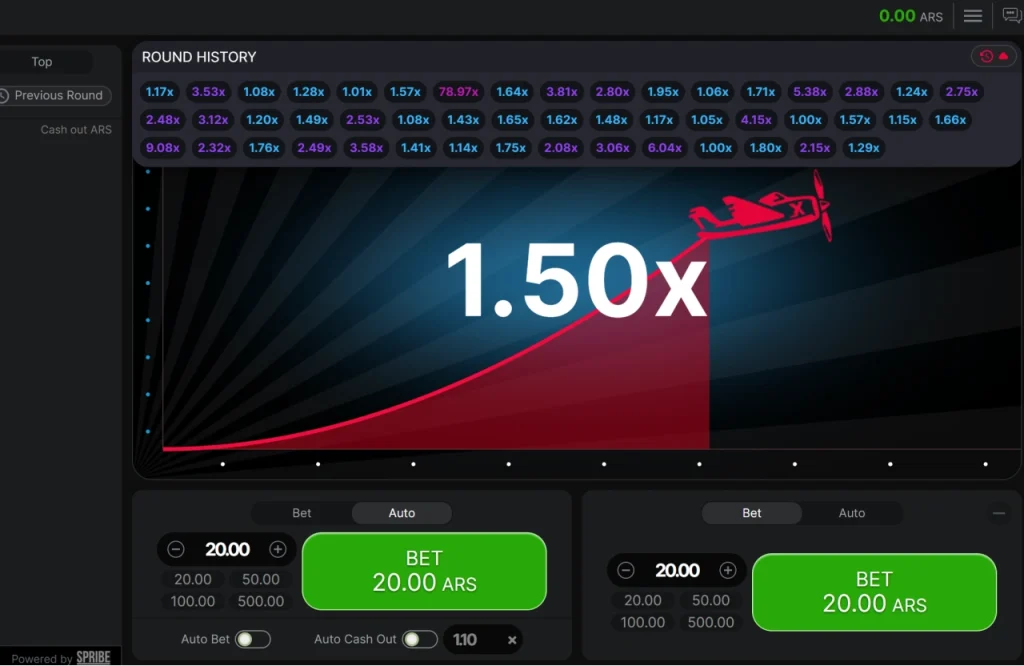
For years, online gaming—especially in the casino and iGaming space—has operated on a simple, unsettling premise: trust us. You had to trust that the random number generator (RNG) was truly random. Trust that the house wasn’t tweaking the odds mid-game. Trust, well, a black box. That era is, frankly, ending. And the engine of this change is the powerful, and sometimes misunderstood, intersection of blockchain technology and provably fair gaming mechanics.
Let’s break it down. Provably fair is a concept, a cryptographic protocol that lets you, the player, verify each game outcome was fair and random. Blockchain is the public, immutable ledger that records those verifications for everyone to see. Put them together, and you get something revolutionary: transparency you can actually audit. It’s like moving from a magician’s hidden-card trick to a glass-box card shuffle where every hand movement is logged and checkable. The vibe shift is real.
How Provably Fair Mechanics Actually Work (No PhD Required)
Okay, so how does this “provably fair” magic happen? It’s not as complex as it sounds. Imagine you’re about to flip a coin. Before the flip, you generate a secret “seed” (a random string of characters) and a “hash” of that seed—which is basically a cryptographic fingerprint. You share only the hash with me. I call “heads.” You flip the coin (it’s tails), and then you reveal your original secret seed. I can now run that seed through the same hash function and see if it matches the fingerprint you gave me earlier. If it matches, I know you didn’t change the seed after seeing my guess. The flip was fair.
In a blockchain gaming context, this process is automated and anchored:
- The server seed (the house’s secret) and the client seed (often from the player) are combined.
- Their hash is published on-chain or provided to the player before the bet.
- After the game round—a dice roll, a card deal, a slot spin—the original seeds are revealed.
- Anyone can verify the outcome was derived from those seeds and wasn’t altered.
The blockchain’s role? It acts as the ultimate notary. It timestamps and immutably stores these commitments (the hashes). This means a platform can’t go back and change the initial seed after the fact. The record is set in digital stone.
Why This Changes Everything: The Core Benefits
This isn’t just a tech upgrade. It’s a fundamental rewrite of the player-platform relationship. Here’s where the real impact lies.
1. Unprecedented (and Unavoidable) Transparency
Trust is no longer a required leap of faith; it’s a verifiable condition. This directly tackles the biggest pain point in online gaming: skepticism about fairness. For the first time, you can be as cynical as you want—and then prove the game was straight. This builds a level of loyalty that traditional platforms spend millions on marketing to simulate.
2. True Ownership of Assets
This goes beyond table games. Think about in-game items—a legendary sword, a rare skin. On traditional platforms, these live in a company’s database. They can vanish if the company bans you or shuts down. With blockchain-based games, these assets are often non-fungible tokens (NFTs) you own in your digital wallet. You can trade them, sell them, or use them across compatible games. The economy shifts from a company store to a player-driven marketplace.
3. Reduced Costs and Faster Payouts
By automating trust through code, blockchain gaming can slash operational overhead. Smart contracts—self-executing code on the blockchain—can handle bets, calculations, and payouts instantly. No more waiting for manual withdrawal approvals. The house edge might even become more competitive, because the cost of running the “trust machine” is lower.
| Aspect | Traditional Online Gaming | Blockchain Provably Fair Gaming |
| Fairness Verification | Opaque, based on licensing & audits | Transparent, cryptographically verifiable by anyone |
| Player Asset Ownership | Illusory (held by platform) | Actual (via NFTs in personal wallet) |
| Payout Speed | Hours to days, with fees | Near-instant via smart contract |
| Audit Trail | Private, internal logs | Public, immutable blockchain ledger |
The Hurdles on the Digital Table: It’s Not All Smooth Sailing
Now, for some real talk. This fusion isn’t perfect yet. The user experience can be… clunky. Managing crypto wallets, understanding gas fees, and navigating seed phrases are huge barriers for the average person who just wants to play a hand of blackjack. The learning curve is steep.
Then there’s regulation—or the wild west lack thereof in many regions. This uncertainty makes mainstream adoption slow. And let’s be honest, the energy consumption narrative around some blockchains, though evolving with proof-of-stake networks, still lingers in public perception.
Perhaps the biggest, quietest challenge is this: with total transparency, can games retain their feel of mystery and excitement? Part of gambling’s allure is the unknowable. Turning it into a verifiable math equation might feel sterile to some. The art will be in wrapping this iron-clad fairness in engaging, fun experiences.
Where This is Headed: The Next Shuffle
The trajectory is clear. We’re moving towards a hybrid future. Traditional gaming operators are already exploring integrating blockchain for back-end transparency or specific asset classes. The concept of “provably fair” will become a standard marketing claim—and then just a standard expectation, like SSL encryption is for websites today.
We’ll also see it expand. It’s not just for dice and cards. Imagine fantasy sports leagues where team selection and scoring are on a provably fair, transparent ledger. Or video game tournaments where the randomness of loot drops or map selection is verifiable by every competitor. The application for esports integrity alone is massive.
Honestly, the most profound shift might be cultural. It fosters a new type of community—one of skeptics turned advocates, because they’ve seen the proof. It hands power back to the player, in the most literal sense: the power to verify.
So, the intersection of blockchain and provably fair mechanics isn’t just a tech trend. It’s the blueprint for a more accountable, player-centric digital playground. It replaces “trust us” with “see for yourself.” And in a world hungry for authenticity, that’s not just a feature. It’s the whole game.


