
A Guide to Responsible Gambling Tools and Self-Exclusion Programs Across Different Jurisdictions
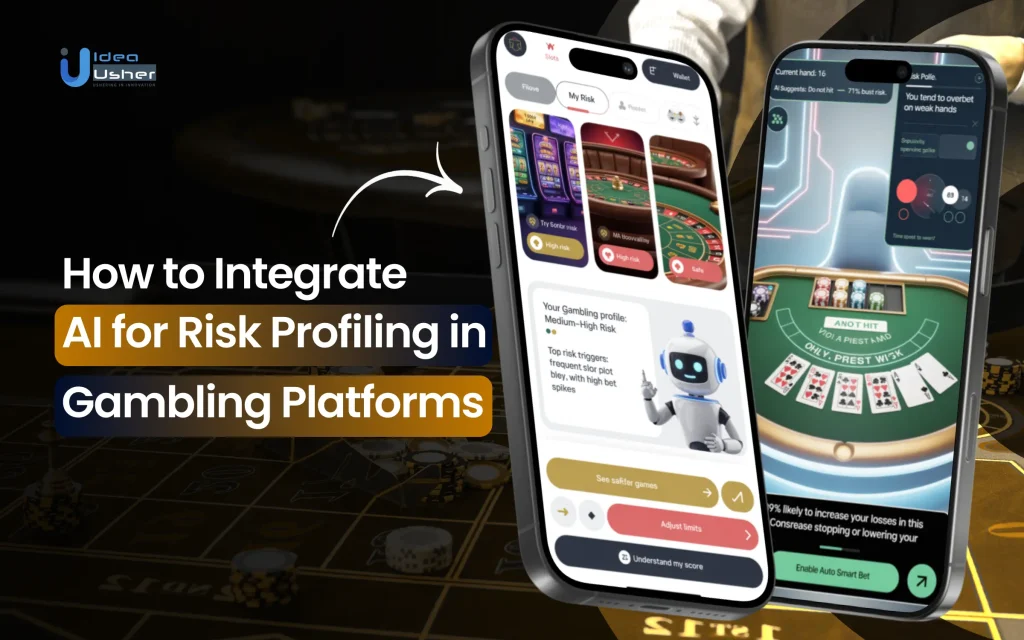
Let’s be honest. Gambling can be a fun, thrilling form of entertainment. But for some, that thrill can slip into something more problematic—a current that pulls you out further than you intended to swim. That’s where responsible gambling tools and self-exclusion programs come in. Think of them as the life vests and shoreline buoys built into the system.
This guide isn’t about wagering strategies. It’s a map of the safety features available to players, and crucially, how they differ depending on where you are in the world. Because, well, the rules of the game change once you cross a border.
The Toolkit: What’s in the Box?
Before we jump into jurisdictions, let’s get familiar with the tools themselves. Most regulated markets mandate a suite of player protection features. They’re not hidden; in fact, operators are usually required to promote them. You just have to know what you’re looking for.
Common Player-Activated Tools
- Deposit Limits: The bedrock of control. You set a hard cap on how much you can deposit daily, weekly, or monthly. It’s like giving your future self a say in the matter.
- Loss Limits: Less common but powerful. This tool lets you limit how much you can lose in a set period. It’s a circuit breaker for chasing losses.
- Wager (Bet) Limits: Caps the amount you can stake on a single bet or spin. It slows down the pace, forcing a moment of thought.
- Session Time Limits: Alerts you when you’ve been playing for a set duration. A simple, effective nudge.
- Reality Checks (or Time-Outs): These are pop-up notifications that remind you how long you’ve been playing. A short break, from 24 hours to several weeks, to cool off.
- Transaction History & Activity Statements: Transparency is key. Easy access to your full play history cuts through the fog of the moment.
The Nuclear Option: Self-Exclusion Programs
This is the most significant step. Self-exclusion means voluntarily banning yourself from gambling venues, websites, or apps for a set period—often a minimum of six months or a year, sometimes up to five years or even permanently. Here’s the deal: during this period, you shouldn’t be able to open new accounts, and operators are obligated to try to identify and block your play. It’s a serious commitment, but for many, it’s the essential reset button.
A World of Difference: Jurisdictional Spotlight
This is where it gets intricate. The availability, branding, and enforcement of these tools vary wildly. A program in one country might be a centralized, state-run system. In another, it’s left to individual operators. This patchwork is a real pain point for players who might use sites in multiple markets.
| Jurisdiction | Key Program/Tool | How It Works & Unique Notes |
| United Kingdom | GamStop (National Self-Exclusion) | A single, free scheme covering all UK-licensed online operators. You register once, and you’re excluded from all of them. It’s considered a global benchmark, though not foolproof against offshore sites. |
| Sweden | Spelpaus.se | Similar to GamStop, it’s a national registry for self-exclusion from all licensed online and land-based gambling. A “one-stop-shop” mandated by law. |
| Germany | OASIS (Joint Self-Exclusion Database) | A newer, cross-state system for online play. Land-based exclusion is handled at the state level through a separate program called SperrDatei, creating a sometimes confusing dual system. |
| Ontario, Canada | iGaming Ontario (iGO) Standards | The provincial regulator requires all licensed sites to offer a full suite of tools (limits, time-outs, self-exclusion). Self-exclusion is per-operator, not yet a single central database, which is a noted gap. |
| New Jersey, USA | Voluntary Self-Exclusion (VSE) Program | A state-wide program for casinos and online sites. You must submit a form in person or by mail. It’s a robust system, but that in-person barrier can be, well, a barrier for some. |
| Australia | National Self-Exclusion Register (NRS) | A relatively new, nationwide scheme for online wagering. It’s a step forward, but it doesn’t cover land-based venues or lottery products, which are handled by state-based programs. |
See the variation? In some places, it’s beautifully simple. In others, you might need to sign up for multiple lists. And then there are jurisdictions where the onus is still largely on the player to contact each operator individually—a daunting and often ineffective task.
Making It Work: Practical Advice for Players
Knowing these tools exist is one thing. Using them effectively is another. Here’s a bit of straight talk.
- Set Limits Before You Play: Don’t wait for a bad session. Set your deposit limits when you’re clear-headed. It’s a preventative measure, not an ambulance at the bottom of a cliff.
- Understand the Terms: If you self-exclude, know the rules. Usually, funds are returned, but you cannot just reverse the exclusion early. It’s a contract with your past self.
- Use Multiple Tools: Layer them. A deposit limit plus session alerts is stronger than either alone. It creates a web of safeguards.
- Jurisdiction Matters: If you play on sites licensed in different countries, you may need to use the tools on each site or register for multiple national programs. It’s a hassle, but it’s your safety.
- It’s Not Just Software: These tools are aids, not cures. Pair them with real-world support—talk to someone, whether a helpline or a professional. The human element is irreplaceable.
The Future: Gaps and Hopes
The landscape is improving, but it’s far from perfect. The biggest gap? Lack of global consistency. A player in a multi-licensed market faces a confusing array of options. There’s also the ongoing challenge of “cross-border” play and offshore operators ignoring exclusion lists.
The trend, thankfully, is toward more unified, state-mandated systems. We’re seeing a slow move from operator-led goodwill to regulator-enforced safety. Technology like biometric verification and better data sharing between licensed operators might make self-exclusion more robust in the future.
In the end, these tools represent a fundamental shift—an acknowledgment that protecting players is as important as regulating the operators. They turn the abstract idea of “responsible gambling” into tangible clicks and choices. They give the power of pause back to the person behind the screen.
And that, you know, is a bet worth making.


